Before
Oversized cartons, generic manuals, unclear material records and energy statements that are hard to support during retail review.
Tiger treats sustainability as a practical sourcing conversation. For small kitchen appliances, buyers need decisions that can survive engineering review, packaging cost review and destination-market scrutiny. We help compare packaging reduction, material choices, repair information, efficient standby behavior and responsible claims without pretending that one attractive sentence can replace test data.
Oversized cartons, generic manuals, unclear material records and energy statements that are hard to support during retail review.
Right-sized packaging, documented material choices, conservative product language and a clearer path for buyer and compliance questions.
Instead of a fake number, Tiger uses a decision checklist: carton cube, accessory count, material declaration, plug standard, label space, shipping method and expected reorder pattern. Reviewing these inputs helps buyers identify changes that reduce avoidable waste while preserving the product story.
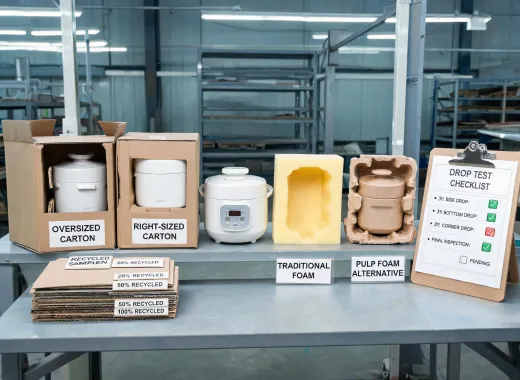
Private-label buyers often lock carton graphics too early. Tiger reviews protection, box cube and accessory placement before final artwork so sustainability goals and retail presentation can move together.
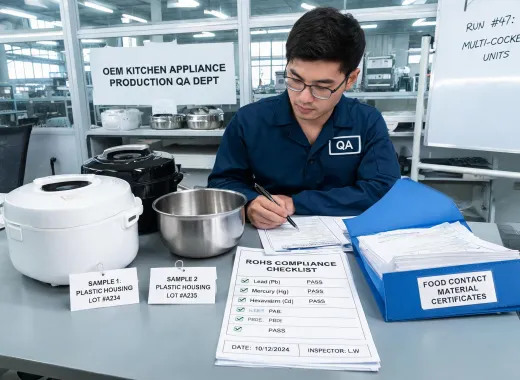
We encourage clear records for food-contact parts, plastic housings and electronic components. That keeps claims careful and helps buyers answer retailer questions without improvising.
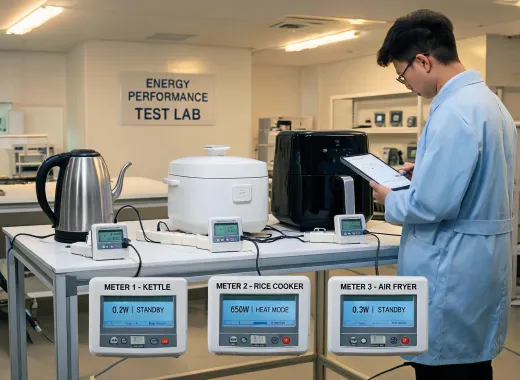
Energy and efficiency statements are only useful when the sample, condition and report path are understood. Tiger keeps wording conservative until evidence supports stronger language.
We will look at carton size, accessory logic, material records and claim wording before your sample program becomes expensive to change.